


PHMSA Supports the Georgia Pipeline Emergency Responders Initiative (GPERI)
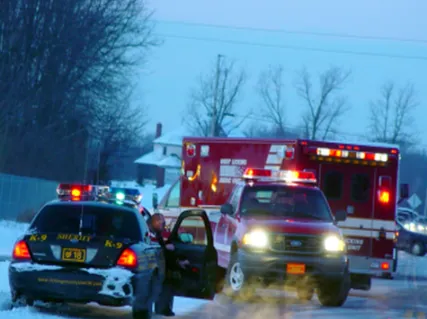
Local emergency officials are responsible for planning, coordinating, and conducting emergency preparedness and response activities. Their role is critical in ensuring communities are prepared to take action consistent with the pipeline operator’s and other emergency responders’ programs.
Pipeline operators are required to share relevant information from their emergency plans with emergency officials. Pipeline operators are also required to establish and maintain communication with local emergency officials and coordinate planned and actual responses during an emergency.
Learn more about what emergency officials can do to impact pipeline safety.
Become More Involved
- Common Ground Alliance
- Local emergency planning committees
- Public meetings about pipeline safety
- Submit comments about PHMSA rulemakings
Damage Prevention
Pipeline Awareness
- Alternative Fuels
- Briefing: Pipeline Markers
- Community Liaison Services (formerly Community Assistance and Technical Services)
- Gas Distribution: Cast/Wrought Iron Pipe
- LNG Plant Requirements: Frequently Asked Questions | PHMSA
- Pipeline operator public awareness programs
- Pipeline basics
- Pipeline information fact sheets
- National Pipeline Mapping System
Pipeline Emergencies
- How to Respond to, and Possibly Prevent, Pipeline Incidents (Fire Chief, July 2012)
- Pipeline Emergency Planning and Response Tools (FireRescue Magazine, January 2012)
- Pipeline emergencies training